A Designer's Take on the Christmas Winter Tumbler Skinny
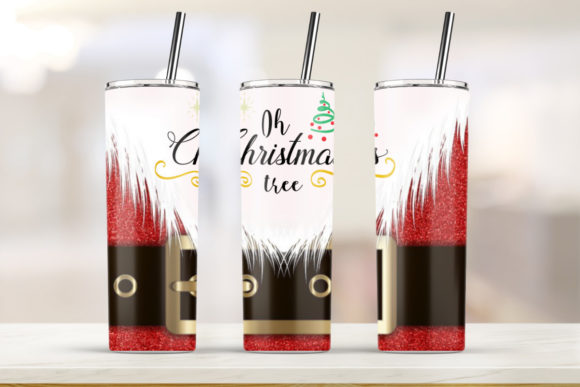
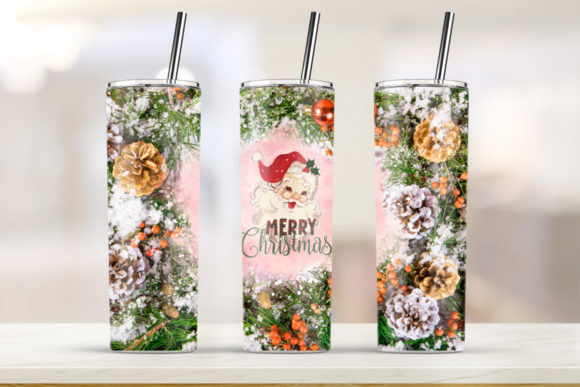
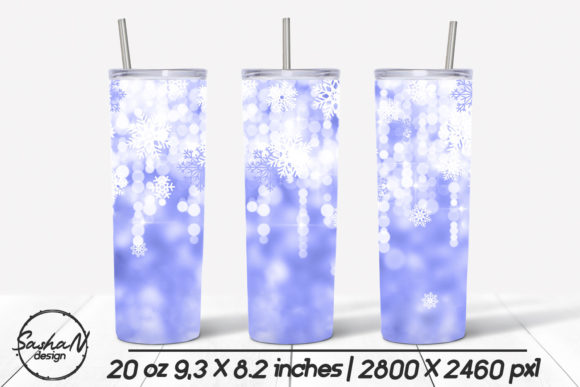
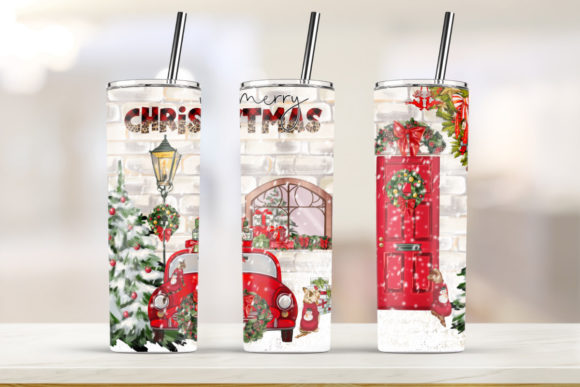
Every holiday season, my workflow shifts toward festive projects, and I spend a lot of time evaluating embroidery designs for real client work and shop merchandise. When I first opened the Christmas Winter Tumbler Skinny file, my immediate thought wasn't about the tumbler itself, but about the design’s core theme. It presents a classic, cozy winter scene—the kind of imagery that feels warm and nostalgic rather than overtly flashy. This mood is perfect for creating gifts and products that feel handmade and sincere.
Where This Design Finds Its Home Beyond the Tumbler
The "skinny" aspect suggests a vertical layout, which is a gift for many embroidery projects. I pictured it instantly on a tote bag’s front panel, running vertically along the side of a knit cap, or as a central motif on a linen pillow cover. Last week, a client requested a custom embroidered tea towel as a holiday housewarming gift. This design’s winter theme, without being overly "Christmas-y," made it a perfect candidate. It feels festive yet versatile enough for general winter decor.
For small business owners, especially Etsy sellers crafting boutique merchandise, this design translates well into high-value items. An embroidered sweatshirt or baby blanket featuring this scene elevates a simple garment into a thoughtful, personalized gift. The visual personality is friendly and detailed enough to catch the eye without being overwhelmingly complex, which is key for customer engagement on a finished product.
Navigating the Practical Stitching Landscape
In real-life embroidery, the success of a design hinges on clarity after stitching. For the Christmas Winter Tumbler Skinny, I would be thinking about stitch density and small details. Any intricate elements or tiny lettering within the design need to be evaluated on scrap fabric first. Using the proper stabilizer is non-negotiable, especially if you plan to stitch it onto stretchy fabric like a t-shirt or a textured fabric like a knitted cap.
Dark fabric backgrounds present a classic challenge. The design’s appeal relies on contrast. Before committing to a dark sweatshirt, I always test the design in a black-and-white mockup to see if the elements hold their shape. Similarly, on thin fabric or items needing frequent washing, like kitchen towels, you must ensure the stitch density isn’t too high, which could make the fabric stiff or prone to puckering.
A Few Places to Approach with Care
- Very small hoop sizes: If the design is scaled down significantly for a baby item patch, fine details might lose definition.
- Curved surfaces: Embroidering it on the curved crown of a cap requires careful hooping and potentially adjusting the layout.
- Dense stitch areas: Large fill stitch sections can affect the drape of lightweight apparel; testing on similar scrap fabric is crucial.
- Layered garments: On items like hoodies with pockets or seams, placement is key to avoid a cluttered final look.
These considerations aren’t flaws of the design itself, but rather the standard professional process for any embroidery file before it hits a final product.
The Impact on Your Craft Business and Customer Trust
Using a well-composed design like this consistently across your product line boosts brand consistency. If your shop specializes in winter-themed handmade products, this design becomes a reliable design asset. Its professional execution in the final stitch work directly affects customer trust. A clean, crisp embroidery job on a tote bag or apron signals quality, making the product feel more valuable and giftable.
For commercial embroidery projects or selling finished items in your small shop, the design’s clarity is paramount. It needs to look excellent in printable mockups for your Etsy listings and even better in the physical item. A design that stitches out cleanly enhances the overall handmade presentation, which customers recognize and appreciate. This engagement turns a simple cap or pillow into a conversation piece.
Essential Designer Notes Before You Hoop the First Project
My routine before using any new design, including the Christmas Winter Tumbler Skinny, involves a few critical steps:
- Test on scrap fabric first. Use the same material and weight as your final project. This reveals any issues with puckering or thread color contrast.
- Review the stitch density visually. Does the design file appear to have large areas of satin stitch or fill stitch that might require specific stabilizers?
- Confirm your hoop size can accommodate the design at your intended scale. Don't assume.
- Inspect small decorative accents. Will they remain clear when stitched, or might they blend into larger elements?
- Compare it on light and dark background mockups. This helps plan your thread palette and product line.
- Always verify the licensing terms. Before selling finished items or using it in commercial embroidery projects, confirm the permissions granted with this digital embroidery file.
Since this listing is for a digital file designed for a specific use, I advise checking the provided details for exact file formats, compatibility, and any included license information. Never proceed with a client project without that clarity.
The Final Stitch: A Versatile Winter Asset
From my perspective as someone who turns designs into physical products daily, the Christmas Winter Tumbler Skinny holds solid potential. Its winter theme and likely vertical layout make it adaptable beyond its named use. It fits naturally into a holiday gift line, boutique baby items, and cozy home decor projects. By approaching it with practical embroidery habits—testing, stabilizing, and verifying licensing—this design can become a reliable part of your winter crafting repertoire, producing finished products that feel both professional and warmly handmade.