Cup Cake Theme Coloring Book as a Stitch-Ready Design
When an embroidery file lands in my folder, my first instinct isn't just to look at it. It’s to imagine it stitched out. How will those lines translate to thread on fabric? What kind of project will it sing on? The Cup Cake Theme Coloring Book graphic immediately struck me as a cheerful, versatile starting point for countless handmade products.
A Sweet & Playful Foundation for Stitching
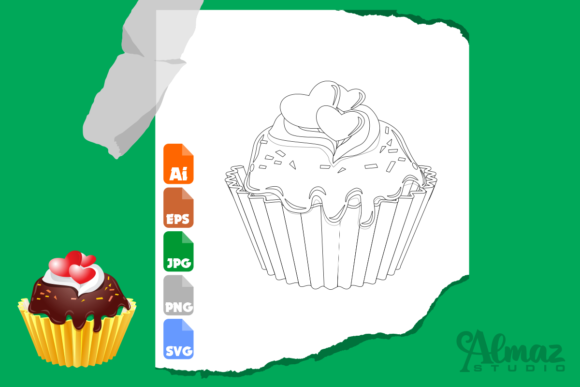
The first impression is pure, whimsical delight. This is a classic coloring book style—clean, open lines with a friendly, hand-drawn personality. The layout feels inviting and uncluttered, which is a huge advantage for embroidery. It doesn’t try to be overly intricate where stitches might struggle. Instead, it offers a clear, recognizable shape that promises excellent stitching clarity. The mood it creates is nostalgic and happy, perfect for projects aimed at gift-giving or products that need to feel personal and approachable.
This design naturally belongs to projects where a touch of sweet, handmade charm is the goal. Think of a custom embroidered tote bag for a baker, a child’s sweatshirt, a playful kitchen towel, or a personalized baby blanket. It’s not a formal, dense design; it’s an open canvas for thread, which makes it incredibly adaptable.
Where This Design Finds Its Best Stitched Home
In practical use, the Cup Cake Theme Coloring Book shines on items where the graphic’s simplicity becomes an asset. I’d confidently use it on a light-colored cotton tote bag—the lines would stitch out crisply, and the theme aligns perfectly with a market bag or a gift for a foodie friend. For a baby item, like a burp cloth or a simple cap, the cheerful, non-overwhelming design is ideal. It feels gentle and fun.
As an apparel decorator, I see it working beautifully as a smaller accent on a sweatshirt pocket or the corner of an apron. For a craft business making holiday gifts, this could become a series: embroidered tea towels, pillow covers, or even simple framed hoop art for nursery decor. The “coloring book” aesthetic lends itself to a handmade presentation that buyers on Etsy or at craft fairs often seek—it looks crafted, not mass-produced.
For digital product sellers, these versatile file formats mean you can create printable mockups easily, showing the design on various products before you even stitch. That builds buyer engagement and trust, as customers can visualize the finished product.
The Practical Considerations for Stitching Success
However, like any design, its success depends on mindful application. The open-line nature means it’s excellent for running stitch outlines or lighter fill stitch areas. But careful attention is needed on smaller details within the cupcake itself—the sprinkles, the swirl on the frosting. On very small hoop sizes, these tiny elements might need simplification to prevent stitch crowding.
I would be cautious using it on highly textured or stretchy fabrics without the right stabilizer, as the clean lines could distort. On dark fabric, you’d need to plan your thread color contrast carefully—a light, bright thread palette would be essential to maintain that cheerful vibe. Stitching on curved surfaces like caps requires testing to ensure the design’s proportions remain balanced.
For products destined for frequent washing, like kitchen linens or baby clothes, a sturdy stitch construction and quality thread are paramount. The design itself isn’t overly dense, which is good for fabric durability, but you must ensure your stitch settings aren’t too tight.
How This Design Elevates Your Finished Product
From a professional perspective, using a clear, editable file like this enhances your product’s value. It allows for consistency if you’re building a brand around sweet or baking themes. For a small shop, it contributes to a cohesive collection. The Cup Cake Theme Coloring Book graphic is inherently giftable—it feels personal and thoughtful. That recognition factor, a universally loved cupcake, immediately connects with customers.
It supports professionalism because the provided file types suggest it’s ready for commercial use, but you must always confirm the licensing before selling finished items. Using it on a boutique’s branded apron or as a patch on a handmade product adds a layer of custom detail that buyers appreciate.
Essential Designer Notes Before You Hoop the Fabric
My routine before any project starts is a practical checklist. For this design, I’d recommend:
- Always test the design on scrap fabric first, especially a fabric similar to your final project.
- Check thread color contrast against your background fabric. Do a mockup in black and white to see if the lines hold their form.
- Review the stitch density in your software; make sure tiny areas aren’t over-packed.
- Confirm your hoop size can accommodate the design comfortably, keeping the smaller details stitchable.
- Inspect how the design looks on both light and dark fabric backgrounds in a digital preview.
- Use proper stabilizer for your chosen fabric type to maintain those clean lines.
- Crucially, check whether the design’s licensing permits use for both personal and commercial embroidery projects before you sell any finished product or digital derivative.
Since the product description mentions it’s easy to use and editable, you have the flexibility to adjust size or combine elements, which is fantastic for creating unique custom apparel or embroidered patches. But the core advice remains: understand the design’s behavior in thread before committing to a client project or a batch of craft fair merchandise.
The Final Take: A Confidently Sweet Choice
Evaluating the Cup Cake Theme Coloring Book from the standpoint of real embroidery work, I find it a solid, joyful asset. It’s not a hyper-complex file that demands specialist skills. It’s a well-presented graphic that translates into friendly, stitchable art. It fits naturally into the world of handmade goods, personalized gifts, and small business products where charm and clarity matter more than overwhelming detail.
For the embroidery designer, crafter, or creative entrepreneur looking for a design that says “happy” without shouting, this offers a great foundation. With practical testing and mindful application on the right products—from a baby’s first birthday sweatshirt to a boutique’s embroidered kitchen set—it can become a reliable, appealing part of your embroidery project portfolio.