Glass Tea Cup Embroidery Design: A Real-World Review
First Impressions and Visual Mood
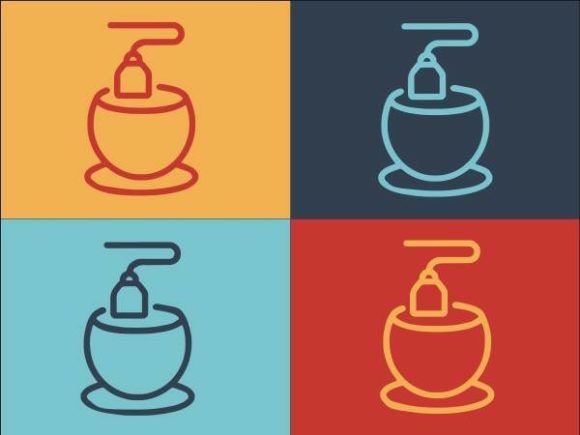
When I first opened the Glass Tea Cup template, I immediately felt a sense of calm, modern simplicity. The linework is intentionally clean, the silhouette balanced, and the overall personality leans toward that quiet, elevated aesthetic that works so well in today’s handmade market. It’s not a loud, overly decorative graphic. Instead, it carries a gentle confidence — a stylistic nod to slow mornings, cozy rituals, and the kind of mindful living that resonates deeply with boutique shoppers, tea lovers, and gift buyers. As an embroidery designer, I’m always looking for motifs that feel both personal and universally appealing, and this one lands that balance beautifully.
Because the Glass Tea Cup belongs to the Logos category and is provided as a Graphics file, you’re not getting a pre-digitized embroidery file. That’s an important distinction. The SVG format is wonderfully compatible with vector programs like Inkscape, Gravit Designer, and Adobe Photoshop, which means you have full control to refine the artwork before digitizing. The description’s promise of an elegant, modern, versatile, and stylish design holds up — it’s a silhouette that can be scaled, simplified, or even slightly adapted without losing its recognizable charm. For anyone comfortable with basic digitizing, this is a strong starting point. The clean geometry reduces the busywork of manual node cleanup, and the visual weight is distributed evenly, which is a good sign for how stitches will lay down later.
How This Design Translates to Stitch
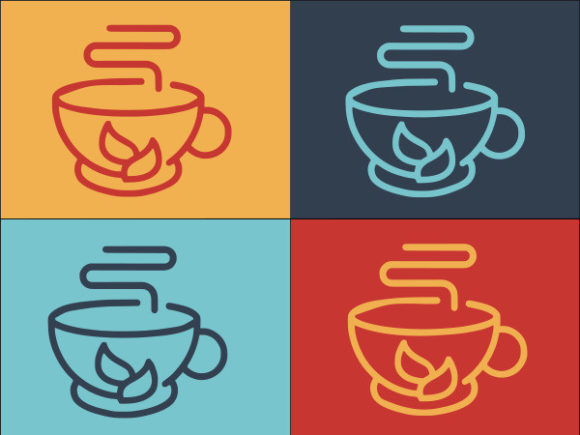
From an embroidery standpoint, the real question is always: how will this look when thread replaces pixels? The Glass Tea Cup concept has a delicate, line-forward structure that suggests a few strong digitizing approaches. A combination of fine satin stitch outlines and a light fill stitch for any solid sections could replicate the glassy transparency without feeling heavy. I’d avoid dense fill areas unless you’re deliberately going for a patch-like look. The minimal, airy nature of the design lends itself to a more open, stitched interpretation — maybe even a subtle running stitch for the steam wisps — so the fabric breathes and the embroidery doesn’t become stiff.
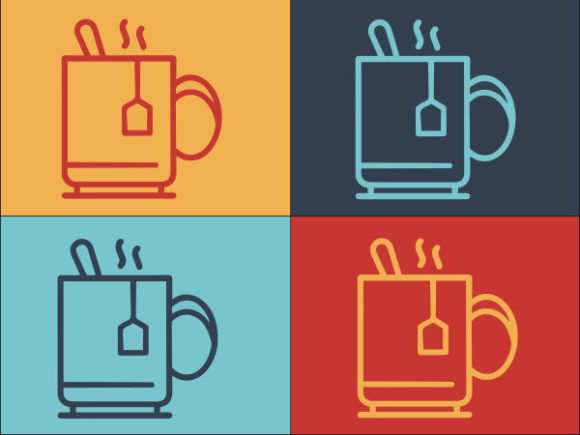
Color choice will dramatically alter the personality. On natural linen, a single-tone taupe or soft charcoal thread creates an understated, earthy feel. On crisp white cotton, a muted sage green or dusty blue makes the cup feel fresh and contemporary. Since the template is customisable, you can also play with negative space: leave the cup body unstitched and only embroider the outline and tiny tea tag, letting the fabric become the “glass.” That technique works exceptionally well for lightweight apparel and tea towels, where too much stitch coverage would ruin the drape.
Perfect Projects for the Glass Tea Cup Motif
This design naturally gravitates toward products that celebrate comfort, hospitality, and personal connection. I can see it thriving on a kitchen towel set, peeking out from a corner with a small monogram beneath. It would be equally charming on a reusable tote bag, turning a simple grocery carrier into a pretty, boutique-style accessory. Apparel-wise, a relaxed sweatshirt with the cup embroidered at the chest pocket area feels like an instant bestseller for a cozy fall collection. Baby onesies, too — if you soften the thread colors into gentle pastels, the motif becomes a sweet, subtle detail for a nursery gift.
For Etsy sellers and craft fair vendors, the Glass Tea Cup design also opens up a whole range of tea-themed gift bundles. Pair an embroidered pillow cover with a box of loose-leaf tea and a honey dipper, and you’ve created a curated, giftable set that tells a story. In the handmade product space, that kind of thoughtful bundling builds perceived value and repeat customers.
The Real Test: A Kitchen Towel Gift Set
To really put this design through its paces, I imagined it on a project I’d actually make for a small shop order: a set of flour sack kitchen towels, embroidered with the Glass Tea Cup motif, intended as a holiday gift for a tea-loving friend. I chose a soft, off-white cotton towel with a slightly textured weave. The SVG was brought into my digitizing software, where I scaled the cup to about 3 inches tall — large enough to read clearly, but small enough to leave room for a hanging loop at the top and a subtle “steep” text below.
I opted for a two-color approach: a warm charcoal for the glass outline and tea tag, and a pale mint for the steam lines. The stitching was mostly a narrow satin stitch, with the steam rendered as a lightweight running stitch to avoid puckering on the loosely woven fabric. A medium-weight cutaway stabilizer kept everything crisp without adding stiffness. After a test stitch-out, the result was exactly what I’d hoped for — the design felt delicate but intentional, the kind of detail that makes a simple kitchen towel look like a high-end boutique find.
Customer reaction, in my mind, would be positive. There’s an emotional warmth to tea imagery that bypasses trends. It feels like a small, personal luxury, and when you can deliver that through embroidery, the product holds its value far better than a generic generic floral or monogram alone.
Important Considerations Before You Stitch
No design is without its caution points, and the Glass Tea Cup is no exception. Because it comes as a graphic file, the first and most critical step is verifying that your digitizing software can cleanly interpret the SVG paths. Sometimes imported vector files carry hidden nodes or overlapping lines that cause needle jumps or thread breaks during stitching. Always run a simulation in your software before sending it to the machine, and don’t be afraid to simplify the artwork slightly if a particular curve is translating poorly.
Fabrics matter enormously here. On plush fabrics like fleece or thick terry cloth, the fine details — especially the steam and any small text — can sink into the pile and lose definition. If you’re set on using a thicker fabric, increase the stitch width slightly and test on a scrap. Stretchy knits, like those used for baby onesies or t-shirts, require a firm stabilizer and possibly a basting stitch to keep the design from distorting. Dark fabrics also demand attention: the airy look of the cup can vanish if your thread color doesn’t contrast enough. A quick black-and-white mockup in your software will reveal whether the values are strong enough to pop.
Fabric, Hoop Size, and Stabilizer Savvy
Hoop size is another practical checkpoint. If you’re stitching on a small hoop — say, 4x4 inches — you’ll need to scale the design carefully. The Glass Tea Cup motif can be reduced to fit, but watch the density of the stitch areas. As designs shrink, the satin stitches can become too tightly packed, leading to thread breaks or a stiff, bulletproof feel. I’d recommend keeping the smallest dimension of the cup no less than 2 inches for clean results. For caps and curved surfaces, the design’s linear nature is actually an advantage; it won’t warp as badly as a dense, circular logo. Still, test on a similar curve before committing to a full run of hats.
Small Details That Demand Attention
That tiny tea tag and the delicate steam wisps are what give the Glass Tea Cup its personality, but they are also the most vulnerable parts during stitching. If the tag string is too thin, the stitch may not anchor properly, especially after repeated washing. I’d suggest a minimum stitch width of 1.5 mm for any satin detail, and consider a small tack-down stitch at the tag’s connection point. These micro-decisions are what separate a handmade product that lasts from one that frays after a few laundry cycles. Customers notice quality, and positive reviews often stem from durability as much as aesthetics.
From Screen to Finished Product: What Shop Owners Need to Know
For commercial embroidery projects, the Glass Tea Cup design offers a lot of flexibility. Because it’s supplied as a graphics file, you’re not locked into a single digitized file format — you can create machine embroidery files tailored to your specific hoop, machine, and thread palette. This is a big plus for small businesses that may need to produce the same motif across different product types. You can digitize once for flat items like towels and pillow covers, and again with slightly adjusted settings for caps or tote bags.
Licensing is a conversation you need to have with the original file provider. Does the purchase allow you to use the Glass Tea Cup design on products you sell? Can you include the digitized embroidery file in a digital product bundle? These are not details I can confirm from the product description alone, so I strongly advise anyone planning to sell finished goods or digital embroidery files to reach out and clarify the terms. Protecting your business means crossing that particular t before you invest in materials and production time.
From a branding perspective, this design can quietly reinforce a cohesive shop identity. If your handmade brand leans into minimalism, wellness, or everyday luxury, repeating the Glass Tea Cup motif across your packaging, product photography, and social media mockups creates a visual throughline that customers recognize and trust. Even as a printable mockup or design asset, the clean SVG can be used to preview what the stitched version might look like, helping you sell custom orders before you’ve even threaded a needle.
Final Thoughts for Makers and Small Businesses
After testing, adapting, and simply living with the Glass Tea Cup design, I’d place it firmly in the “versatile workhorse” category for embroidery studios and craft businesses. It won’t scream for attention, but it will quietly elevate whatever you put it on. The modern, elegant description is accurate — this is a design that feels current without being faddish, and that’s a precious quality when you’re building a product line meant to outlast seasonal trends.
For those new to digitizing, the SVG file offers a forgiving learning curve. Because the shapes are straightforward, you can experiment with stitch types, underlay, and pull compensation without the frustration of a complex, multi-layered graphic. Experienced digitizers will appreciate the time saved on cleanup and the freedom to reinterpret the motif for different textures and thread weights.
Ultimately, the Glass Tea Cup is a reminder that the best embroidery designs often aren’t the loudest or most intricate. They’re the ones that connect with a feeling, stitch out reliably, and make a finished product feel instantly more special. Whether you’re embroidering a single heartfelt gift or planning a coordinated collection for your Etsy shop, this design invites you to slow down, enjoy the process, and trust that simplicity speaks volumes.
Just remember: always test on scrap fabric first, double-check your hoop size, and never underestimate the power of a well-chosen thread color. The difference between a good product and a great one often sits in those quiet, careful decisions we make before the machine ever starts running.