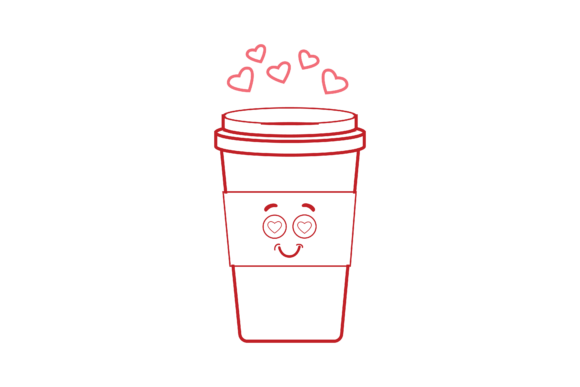
Testing Valentine Kawaii Cup Ice Cream Fill Line for Real Projects
When a new embroidery file lands on my screen, I’m not just looking at an image. I’m thinking about how it will translate into thread and fabric, how it will feel in a client’s hands, and whether it will hold up in a real-world project. That’s the lens I’m applying to the Valentine Kawaii Cup Ice Cream Fill Line. As a designer who has to make files work, I need to judge its practical potential before I ever load it into my machine.
First Glance: A Mood, Not Just a Shape
This design immediately strikes a specific chord. It’s sweet, playful, and unapologetically cute. The “kawaii” style is evident—soft, rounded shapes with a gentle, friendly personality. It’s not a harsh or edgy graphic; it’s an invitation to smile. For embroidery designers and makers, that’s crucial. The mood of a design dictates the entire product it ends up on. This feels destined for items that convey warmth, affection, or lighthearted fun.
Thinking about a specific project, imagine a custom embroidered tote bag for a Valentine’s Day gift. The ice cream cup motif isn’t just seasonal; it’s universally appealing. A customer isn’t buying just a bag; they’re buying that cheerful, whimsical feeling. The “fill line” style suggests it’s built for solid stitch areas, which means it will have a clean, bold presence on fabric. That’s a good starting point.
The Real-World Embroidery Test
How does this graphics file perform when we move from screen to stitch? Let’s walk through typical scenarios.
For custom apparel like sweatshirts or t-shirts, this design’s cute factor is a strong sell. On a lightweight cotton tee, the fill stitch areas need careful stabilizer choice to prevent puckering, but the overall shape is simple enough to stitch cleanly. On a thicker sweatshirt fleece, it would pop nicely with good thread contrast. I’d lean towards bright, cheerful thread colors—maybe a soft pink for the cup, a creamy white for the ice cream—to amplify that kawaii mood.
For accessories and home goods, it’s equally promising. An embroidered patch with this design could be adorable on a baby’s blanket or nursery pillow cover. On a kitchen apron or tea towel, it becomes a fun, personalized touch. The key here is scale. Because it’s a vector file and reportedly resizable without quality loss, we can adjust it. But we must be mindful: shrinking it too much for, say, a cap’s curved front or a tiny baby sock could compress those fill areas, making stitch density too high and potentially stiff. Enlarging it for a pillow cover should be fine, but on textured fabrics like linen, you’d want to test the stitch clarity first.
Where This Design Should Be Used with Care
Every embroidery file has its ideal applications and its trickier ones. For the Valentine Kawaii Cup Ice Cream Fill Line, my practical notes would be:
- Small hoop sizes: If you’re thinking of a tiny motif on a cuff or a delicate item, test extensively on scrap fabric first. Small details in fill-based designs can become muddy.
- Dark fabrics: The cute, lighthearted feel relies on color. On dark backgrounds, you’ll need to choose thread colors that retain that brightness and contrast. A white ice cream cup on a black sweatshirt still works, but it changes the vibe slightly.
- Stretchy or thin fabrics: Activewear or lightweight polos require impeccable stabilization for a fill stitch design to look smooth and not distort the fabric.
- Products needing frequent washing: For items like kitchen towels or baby clothes that see heavy use, a well-stitched, dense fill can hold up well, but it’s worth considering a slightly simplified version if you’re concerned about long-term wear.
These aren’ criticisms; they’re the realities of professional embroidery. Knowing them lets you use the design where it will shine brightest.
Impact on Your Product and Your Customer
Beyond the technical stitch, what does using this embroidery file do for your project’s appeal and your business?
For a handmade product or personalized gift, this design adds immediate value. Its thematic charm (Valentine’s, sweetness) makes it gift-ready. A customer looking at an embroidered tote bag with this motif isn’t just seeing a bag; they’re seeing a thoughtful, cheerful present. That emotional connection is what sells in markets like Etsy or craft fairs.
For brand consistency if you run a small shop with a cute, playful aesthetic, this graphics asset fits seamlessly. It helps build a recognizable visual language across your merchandise—from apparel to decor.
In terms of professionalism, the promise of an editable, resizable vector file is significant. It means you can tailor the design precisely to your product without losing clarity. For commercial embroidery projects or creating printable mockups for your digital listings, that flexibility is practical gold. However, always confirm the licensing before selling finished items or digital products derived from the file. That’s a non-negotiable step for any professional.
A Designer’s Practical Checklist Before Hooping
Before I commit this Valentine Kawaii Cup Ice Cream Fill Line to a final project, here’s my mental run-through:
- Run a test on scrap fabric that matches my final product material—both light and dark versions if I plan to use both.
- Audit my thread color palette. Do my chosen colors enhance the kawaii, friendly feel? High contrast might make it pop, but softer contrasts might enhance the sweetness.
- Check the stitch density in my embroidery software after resizing to my intended hoop size. Too dense can mean stiff fabric and long stitch times.
- Inspect any potentially tricky small details in the design. Are corners or tiny areas stitchable without jumps or compromises?
- Consider the final product’s context. Is this for a boutique baby item needing extra softness? Or a durable patch for a backpack? That influences my stabilizer and thread choices.
Embroidery is a translation process—from digital graphic to physical art. The Valentine Kawaii Cup Ice Cream Fill Line, with its clear theme and vector foundation, is a promising candidate. Its success hinges not on the file alone, but on how thoughtfully we, as designers and makers, apply it to the right fabric, the right product, and the right moment. When matched well, it’s not just an embroidery design; it’s a little cup of stitched happiness ready for a real project.